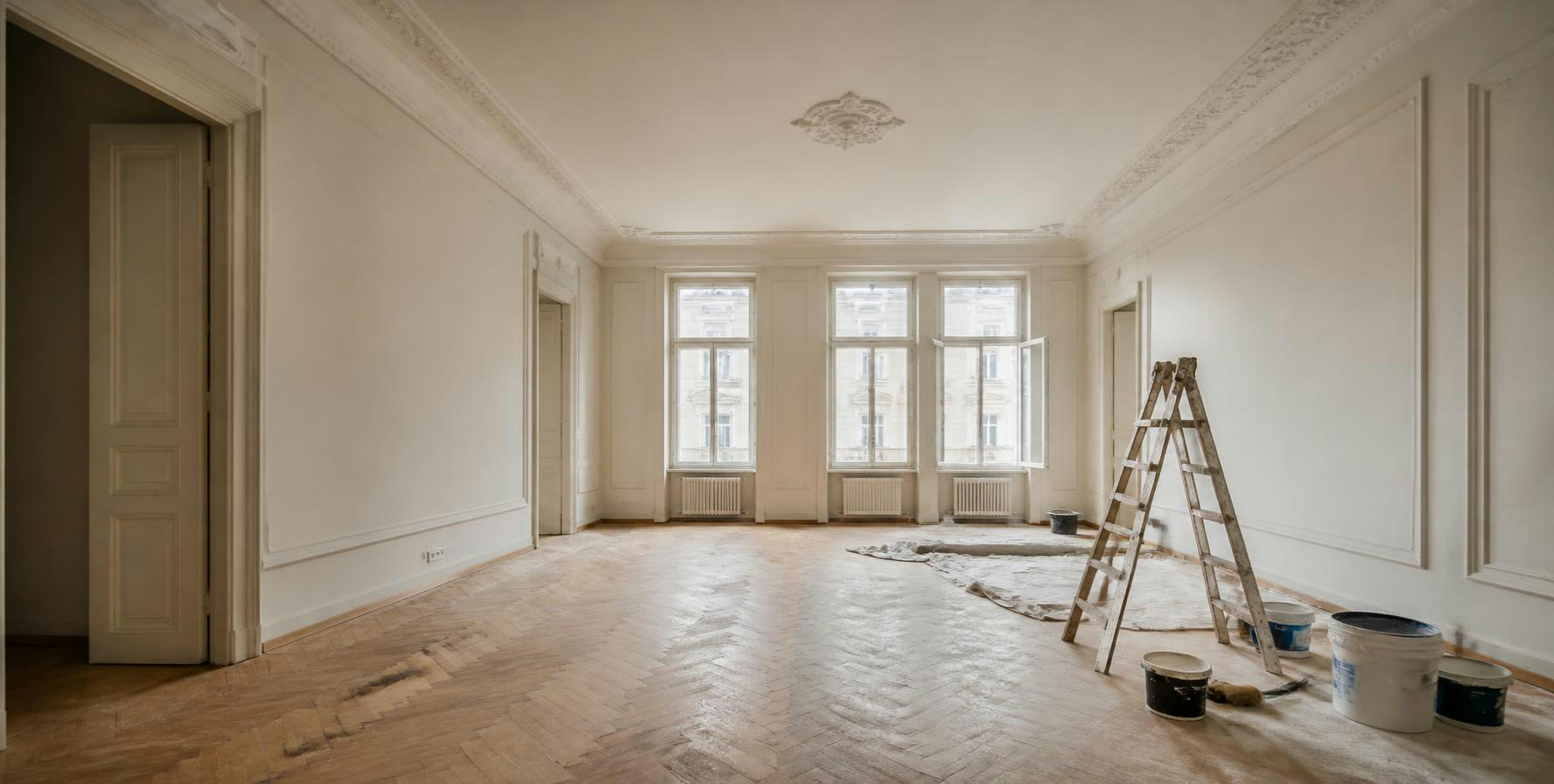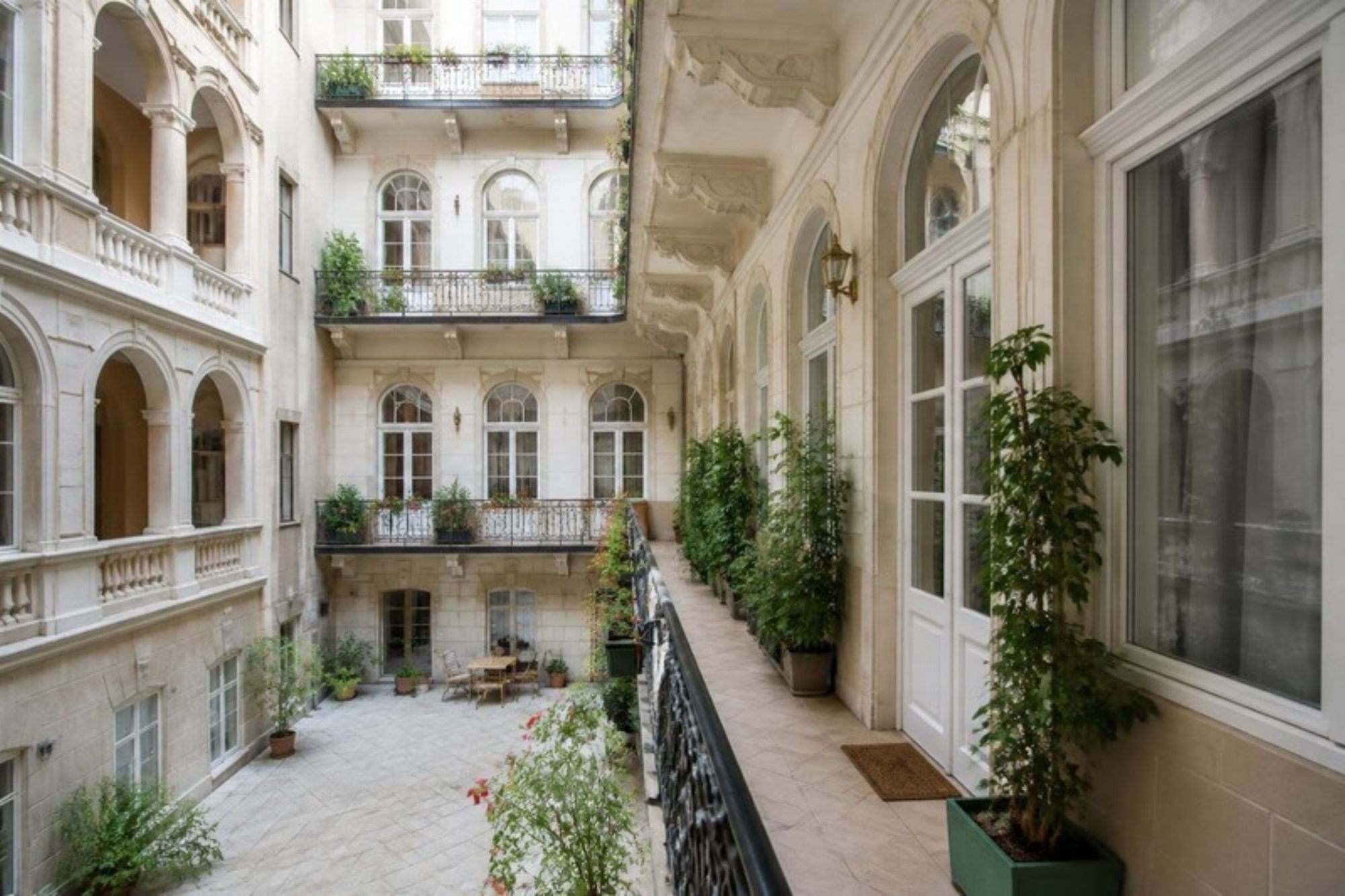


Most buyers fall for a property on first impressions. A well-styled interior, a terrace with a view, a freshly renovated living room or a lovely street can easily make you feel you have arrived: this is the flat or house you have been looking for. Good property decisions, though, are rarely made on feeling alone.
In 2026 the market asks for more attention than it did a few years ago. You need to understand financing, running costs, energy performance, how well a location holds its value, the risks that sit at building level, and the legal background, all at once. A poorly prepared decision turns into an expensive compromise more easily today than it used to.
The right property fits your life, not just your budget
One of the most common mistakes is falling for a specific property before your own needs are clear. A first home, a family house, a city flat and an investment property should each be chosen by a different logic.
If you will live there, quality of life usually matters more than short-term return: the feel of the area, natural light, transport, a layout that works, everyday comfort. For an investment, the priorities shift to value retention, rentability, stable demand and a sustainable yield.
You rarely buy a property for a year or two. So start from where you are now, but also think about how your needs might change: more space, a home office, better schools, easier parking, or a completely different pace of city life.
"A good property works well today. It becomes truly valuable when it can adapt as your life changes."
Location is still one of the biggest drivers of value
Plenty changes in property, but one rule holds: you cannot swap the location. A flat can be refurbished, the interior rethought, the services upgraded. The surroundings, though, shape how usable the property is, what it is worth and how easily it sells for years to come.
So look beyond the flat or house itself. Whether an area is fashionable right now matters less than its prospects: how solid the infrastructure is, how good the transport links and local services are, how much green space there is, and how the character of the neighbourhood may change over the next few years. Our Budapest page gives a short overview of the districts.
Good locations tend to hold their value better in weaker markets. That matters most if you are buying long-term wealth as well as a home.
The daytime impression
Light, transport, shops, the street front, noise and the first visual impression of the property.
The evening reality
An area often shows its true character after dark: how safe it feels, noise, parking, traffic and the neighbours. Go back in the evening.
The asking price is rarely the full cost
The most common miscalculation is budgeting for the purchase price alone. The real cost is almost always higher. In Hungary, the property transfer duty (as a rule 4% of the price for residential property), legal fees, a valuation, mortgage-related costs, any renovation, the move and furnishing add up to a meaningful extra sum.
This is especially true for older properties or anything that needs work. An attractive flat can hide serious technical problems that only surface after you get the keys, and fixing hidden defects often costs far more than you expect on the day you decide.
| Cost | Why it matters | When it becomes a risk |
|---|---|---|
| Transfer duty | A significant addition on top of the price | When you only plan for the deposit and the price |
| Legal and financing costs | Part of a safe transaction and the mortgage process | When they are not in your budget from day one |
| Renovation and defects | Affect how usable and valuable the property is | With older, quickly refurbished or undocumented properties |
| Running costs | Set your monthly affordability for years | With poor energy performance or high service charges |
Experienced buyers almost always keep a reserve for the unexpected. That is not excess caution; it is what lets you decide calmly.
Financing is now a strategic decision
Lending has changed a lot in recent years, so financing is no longer an admin detail. It is one of the strategic pieces of a purchase: it decides your price range, your room for manoeuvre and how safely you can commit.
Many buyers only start on the mortgage once they have found the property. That can go wrong, especially if the bank ends up offering less than you expected.
A mortgage pre-assessment is therefore a basic first step. It tells you how much you can borrow and keeps your search realistic. Banks look closely at your income, existing commitments and affordability, and at the property itself. For a Hungarian mortgage, the central bank's rules usually mean a deposit of at least 20%, with the purchase costs on top.
Why the valuation is critical
If the bank's valuation comes in below the agreed price, the whole financing plan can fall apart. You may need a bigger deposit, or you may have to renegotiate.
A beautiful renovation is not the same as good condition
In property, looks often hide the real issues. Fresh paint, modern tiles, a striking kitchen or new light fittings make a flat feel technically sound. The reality is often more complicated.
On a viewing, pay attention to the less photogenic details too: the windows, whether the plumbing and heating work is documented, the wiring, how modern the heating system is, signs of damp or cracks, and the general state of the building.
In a block of flats it is not only the flat that counts. A poorly maintained building can erode value over time, even if the flat itself is in good shape. Ask for the minutes of recent owners' meetings and any planned works.
What the renovation shows
Flooring, kitchen, bathroom, paintwork, lighting and the first visual impression.
What you need to check
Wiring, plumbing, heating, windows, damp, the condition of the building and the paperwork.
"A proper survey costs little compared with what a hidden defect can cost you later."
Energy performance matters more every year
A few years ago many buyers treated the energy rating as a footnote. Today it shapes how sustainable a property is, what it costs to run each month and what it will be worth in the long run.
With utility costs moving, an inefficient home can be a real monthly burden. Careful buyers look at insulation, windows, the heating system and what the energy performance certificate actually says.
A property in good energy shape costs less to run and usually stays easier to sell or let. The market keeps moving towards efficient homes with predictable running costs.
Energy performance is no longer just about bills. It is increasingly part of how marketable, financeable and resilient a property will be.
Checking the legal title is not a formality
The part buyers most often underestimate is still the legal check. A property can be beautiful and perfectly located, but if its legal position is messy, it is a serious risk.
In Hungary, the land registry extract (tulajdoni lap) is the starting point. Look carefully at any charges, usufruct rights, enforcement notes, pre-emption rights and the ownership structure. For houses, semi-detached homes or higher-value properties, comparing the official site map with what is actually there can matter just as much.
It is not unusual for the register and reality to differ. Those differences can later cause problems with financing, use or resale.
The role of the right lawyer
A good property lawyer does far more than draft a contract. They protect the transaction, uncover risks, explain the title and the legal position, and make sure the agreement between the parties is clear. As part of our buyer representation, our legal advisor reviews the documents with you before you sign anything.
The best decisions are rarely the fastest
Time pressure is always present. Many buyers worry about missing out and decide too quickly. Genuinely good purchases are rarely impulsive.
A careful buyer looks past how striking a property is or how much they like it at first sight. They try to understand whether it will work in the long run, whether it truly fits their life, and whether it will still hold its value years from now.
A well-chosen property is more than a home or an investment. It is a long-term decision about the quality of life, stability and financial security you want to build. If you are also thinking about investing abroad, read our guide to investing in Dubai.
This article is for general information only and is not legal or tax advice.
Frequently asked questions
How much do I need on top of the price?
For a Hungarian residential purchase, transfer duty is as a rule 4% of the price. Add legal fees, a valuation and bank costs if you borrow, plus moving and furnishing. If the property needs work, keep a separate reserve. We are happy to put together the full cost list for a specific property.
When should I get a mortgage pre-assessment?
Before you start searching seriously. You will know exactly which price range to look in, and there will be no surprises when you make an offer.
Is looking around on a viewing enough?
Rarely. For older buildings and higher-value properties, bring in a technical surveyor and ask for the building's documents. After every viewing we send you a short written summary of the strengths and the risks.
What should I look for in the land registry extract?
Who the owner is, and what charges or rights are registered: mortgages, usufruct, enforcement, pre-emption rights and pending entries. If anything is unclear, have a lawyer explain it before you sign.
Want a second opinion on Budapest?
Bring the listings you have saved, or just your questions. In 30 minutes we show you what to check on price, condition and paperwork.
Let's talk
Urbán Réka founded Monvero. She works with buyers and investors in Budapest, Dubai and on the Costa del Sol, from setting the budget to signing. This article is for general information; for advice on your own situation, get in touch.