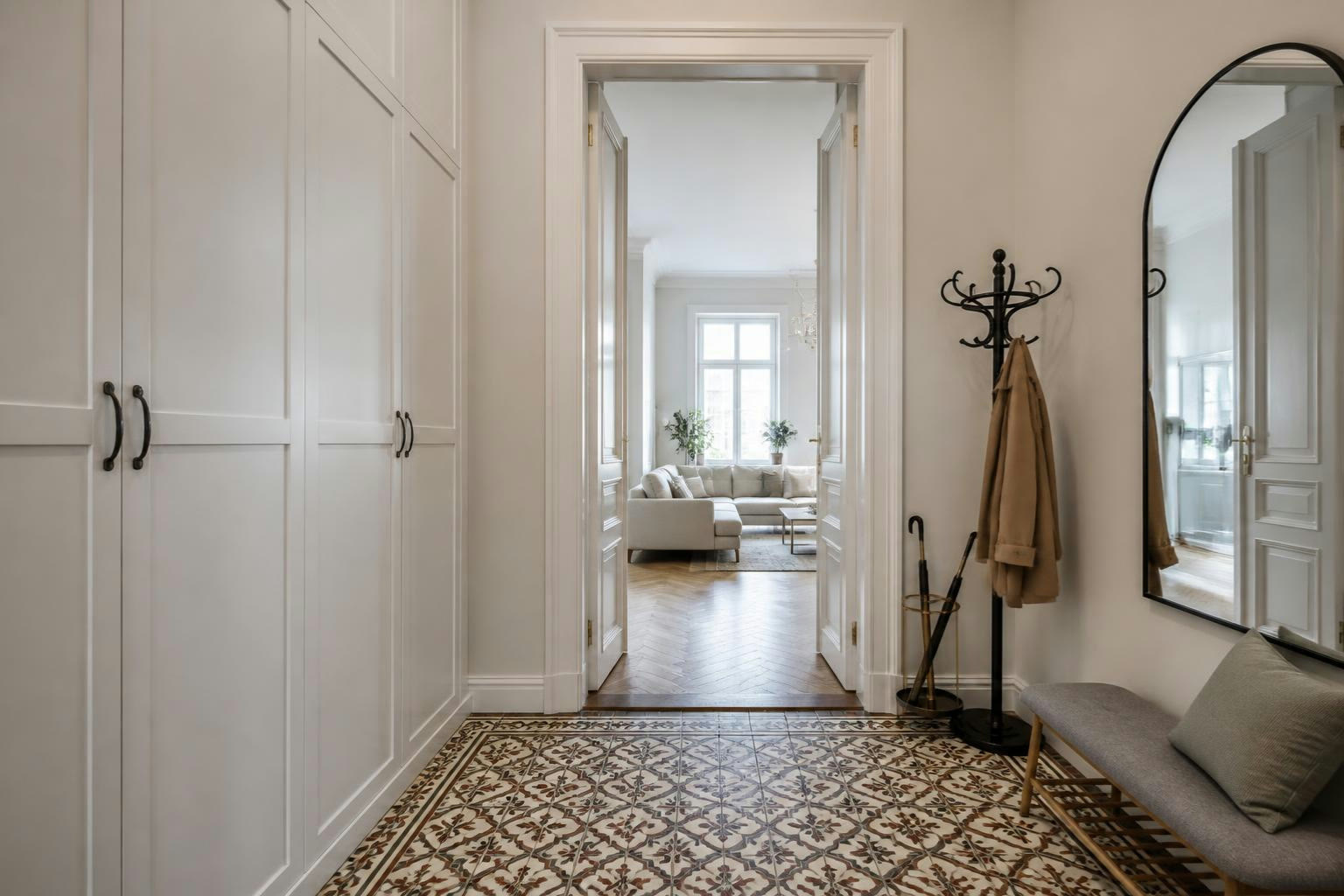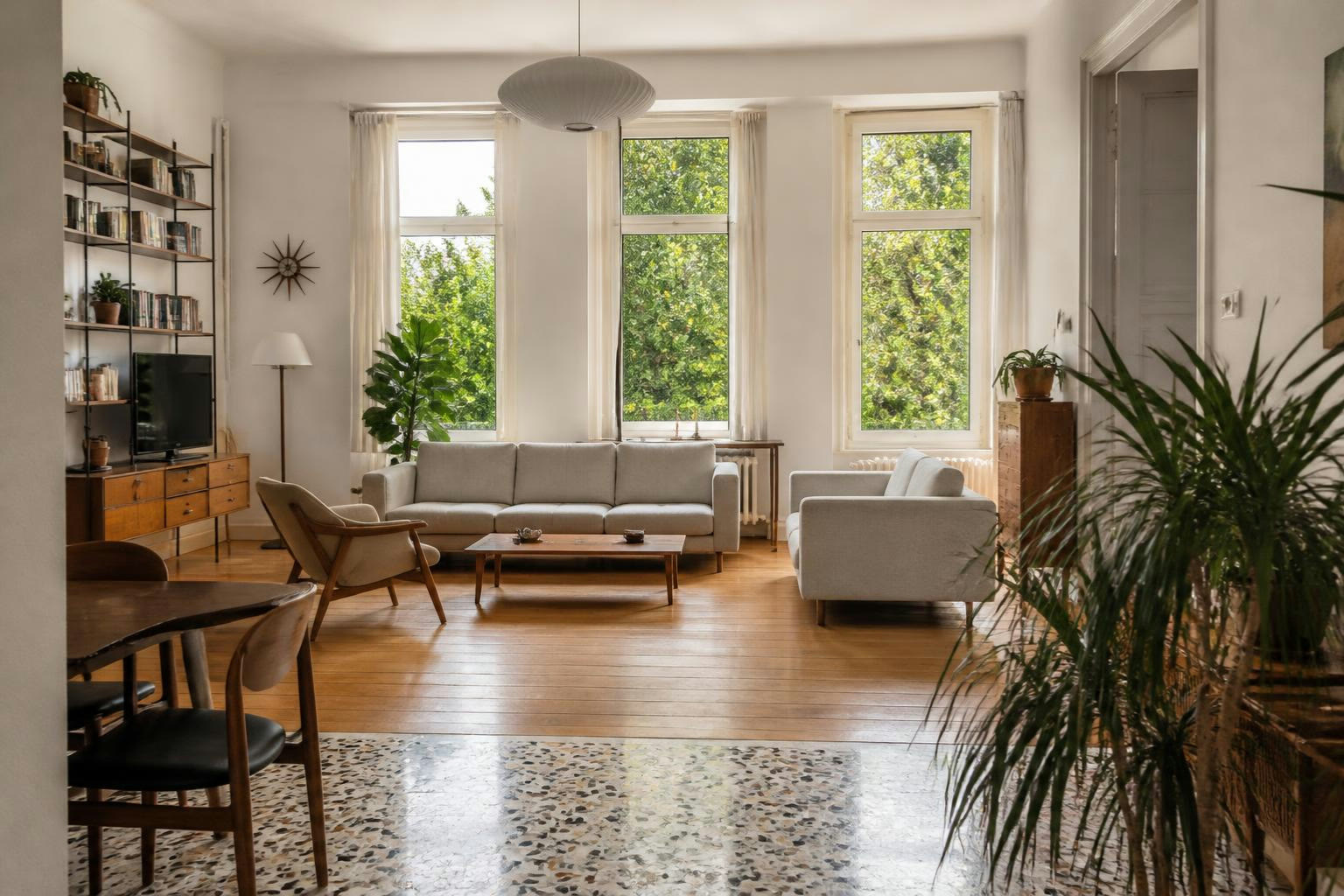

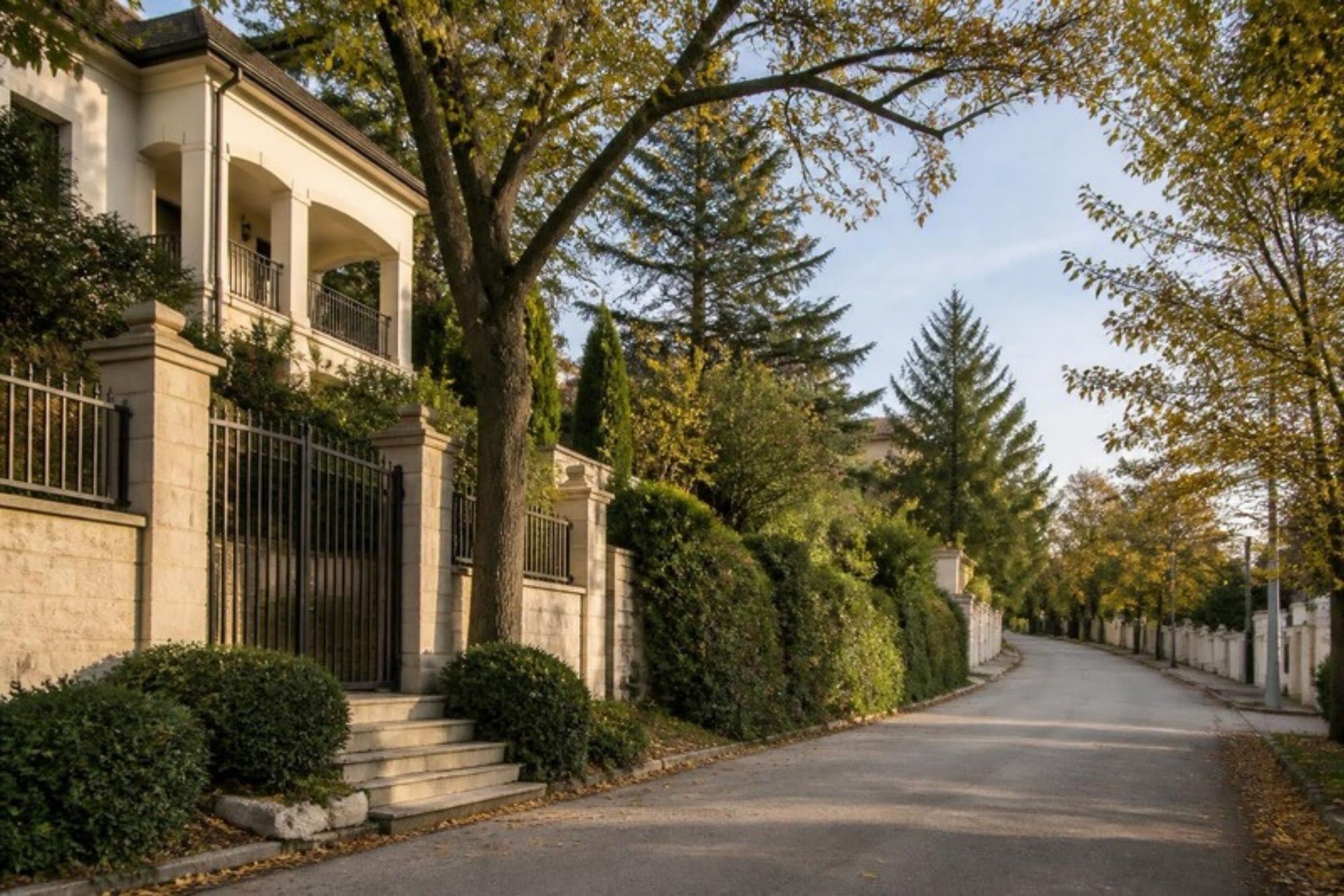
When a family starts looking for a bigger home around the arrival of a second child, the conversation almost always ends up in the same place. Do we stay in the centre, or move to Buda, with a garden or at least a big balcony, a quiet street and forest half an hour away? Buda's green belt is the classic answer, but its three big "green" districts offer quite different things.
In this article we look at Districts II, XII and III through a family lens: the types of flats and houses, how transport works, what to check about schools, and what 2026 prices show. The good news for buyers is that Buda prices stalled in the first half of 2026, which gives you more room to negotiate.
What do prices show in 2026?
According to Otthon Centrum's first-half 2026 data, family houses in Budapest averaged HUF 910,000 per m², up 12.2% on a year earlier. But the growth happened almost entirely in Pest: house prices in the Pest districts rose 22% on average, while in Buda they were essentially unchanged. In District III, houses averaged HUF 1.26 million per m².
Flats tell a similar story. In District II, prices of brick-built flats were essentially flat over the year, while in District III the average rose by more than 30% to HUF 1.82 million per m². Duna House data for May 2026 put the average price of resale brick flats across Buda at HUF 1.32 million per m², with the better parts of Districts II and XII well above that and the panel estates of District III below.
New builds in Districts II and XII are the most expensive in Budapest: Otthon Centrum's first-quarter 2026 asking-price data show averages of HUF 3.7 million and 3.57 million per m² respectively, against around HUF 2.1 million in District III.
District II: from Rózsadomb to Pesthidegkút
District II is the most varied of the three. Its inner part, around Széll Kálmán tér and Margit körút, is urban and well served, with Millenáris park. Higher up are the villa quarters of Rózsadomb and Pasarét, including the interwar modernist villas and villa flats around Pasaréti út. The outer part, Hűvösvölgy, Máriaremete and Pesthidegkút, is almost suburban, right on the edge of the forest.
For families: in the inner part you can do daily errands on foot, while in the hill areas life without a car is hard. From Hűvösvölgy, trams and buses give good links to Széll Kálmán tér, and the Children's Railway and Hárs Hill make for weekend outings on your doorstep.
Housing types: a villa flat in a building of two to four flats, half of a semi-detached or terraced house, or a detached family house. With a villa flat, the garden is often shared or divided, so check the use agreement.
District XII: Hegyvidék
District XII is the most purely "hillside" part of Buda's green belt. Svábhegy, Zugliget, Normafa, Farkasrét and Kútvölgy have quiet, sloping streets of houses with gardens and small apartment buildings. Its lower part, around Városmajor and MOM Park, is urban, and Városmajor park is one of the district's favourite places to play.
For families: the cog railway runs from Városmajor up to Széchenyi Hill, and the chairlift goes from Zugliget to János Hill. On the other hand, the roads down from the district are congested in the morning rush hour, so if you commute to Pest every day, try the journey at peak time.
Housing types: large flats in small apartment buildings, often with terraces, villa flats and family houses. A hillside position brings views, but in winter the steep streets and parking also come into play.
State primary schools have catchment areas, so your address gives you a designated school that must admit your child. If a particular school matters to you, check the district's current catchment boundaries before buying, because they change from street to street.
District III: Óbuda, Római-part and Csillaghegy
District III has a completely different character from the other two. The old streets and squares of Óbuda, the Roman ruins of Aquincum, the riverside life and cycle path of Római-part, the family houses of Csillaghegy and Békásmegyer higher up, and the large panel estates in the north of the district. Hármashatár Hill and Óbuda Island are close by.
For families: the suburban railway (HÉV) and buses give quick links towards the centre, and both the river and the hills are within easy reach. Prices vary widely, from panel flats to new riverside projects and quiet family houses.
What to check: at Római-part, the riverside location is a big asset, but look into the property's flood protection situation, the state of any cellar and ground floor, and ask about insurance. District III prices rose quickly in the first half of 2026, so there is less room to negotiate here than in Districts II and XII.
The three districts at a glance
| District II | District XII | District III | |
|---|---|---|---|
| Typical areas | Pasarét, Rózsadomb, Hűvösvölgy, Pesthidegkút | Svábhegy, Zugliget, Farkasrét, Városmajor | Óbuda, Római-part, Csillaghegy, Békásmegyer |
| Transport | Tram and bus to Széll Kálmán tér | Cog railway, bus, car | Suburban railway (HÉV), bus, Árpád Bridge |
| Nature | Hárs Hill, Buda Hills | Normafa, János Hill | Danube bank, Hármashatár Hill |
| New builds (avg asking price, Q1 2026) | HUF 3.7m/m² | HUF 3.57m/m² | approx. HUF 2.1m/m² |
| Price trend, H1 2026 | essentially flat | no separate figure; Buda overall flat | flats up more than 30% |
| Best for | Green space close to the city | Quiet and forest first | Riverside and mixed budgets |
Price sources are Otthon Centrum's 2026 analyses. Figures are indicative; the price of a specific property can differ considerably.
House or flat? Running costs matter too
Many families switch from a flat to a house when they move to Buda. It is worth being clear about what that means day to day:
- Heating and energy. Heating an older, uninsulated family house costs far more than a flat of similar size in an apartment building. The energy certificate rating tells you a lot.
- Garden and upkeep. A garden takes time and money: mowing, trees, fencing, watering.
- Roof, façade, systems. A house has no service charge, but every repair is yours.
- Security and parking. Your own parking space or garage is a big advantage on hillside streets.
A villa flat or a small apartment building is often a good middle way: you get a garden or large terrace, but share the cost of the roof and façade.
How to search in Buda with a family
- Start with school and commute, not the flat. Map your daily routes.
- Walk the area on a weekday between 7:30 and 8:30: that is when you see the traffic and the school run.
- Check the slope of the plot and the street, parking and winter access.
- Check the building rules: the district's local building regulations show what can be built on the plot next door.
- Budget for running costs, not just the price.
If you are torn between two areas, consider renting there for a few months first. Winter mornings, the school run and weekend traffic all reveal themselves before you commit for the long term. This is especially true on hillside streets, where a summer viewing can easily mislead.
We cover the full cost of buying, from transfer tax to a renovation reserve, in a separate article. If you are looking for a family house or a larger flat in Buda, see our Budapest page, or write to us and we will put together a shortlist that matches your priorities.
Frequently asked questions
Which Buda district is best for a family with small children?
It depends on your priorities. For a balance of city and green, the inner and middle parts of District II. For quiet and forest, District XII. For the riverside and a wider price range, District III.
Is a family house more expensive in Buda than in Pest?
In the hill and riverside areas, usually yes, but Buda is not uniform. Otthon Centrum's first-half 2026 data put the average price of houses at HUF 1.26 million per m² in District III, HUF 884,000 in District XXII (also in Buda) and around HUF 900,000 in Districts XV and XVI in Pest. Buda house prices barely moved in the first half of 2026, while in Pest they rose 22% on average.
Can you live in the Buda hills without a car?
In the lower, urban parts of the districts, yes. On the hillside streets, public transport is less frequent and the streets are steep, so most families there rely on a car.
What should I check when buying a villa flat?
The building's deed of foundation and the use agreement: who uses the garden, garage and loft, and how roof and façade costs are shared. In a small building, a single neighbour's decisions carry a lot of weight.
Want a second opinion on Budapest?
Bring the listings you have saved, or just your questions. In 30 minutes we show you what to check on price, condition and paperwork.
Let's talk
Zelina Gréta is a property advisor at Monvero. She helps with searches, viewings and getting sellers ready for the market. This article is for general information; for advice on your own situation, get in touch.